I definitely couldn’t be called an experienced wild camper with just a dozen nights under my belt but this, along with good advice from more experienced friends has enabled me to put together a kit list that has seen me through all types of weather and sites in comfort.
There is plenty of advice about keeping weight to a minimum but to be honest I think there is a balance between weight and comfort, and after all aren’t we out there camping in some of the UK’s more remote places to enjoy ourselves and relax?
I now have quite a long list of kit and bits and pieces that I use on a wild camp, some just very practical and essential and some for comfort and convenience:
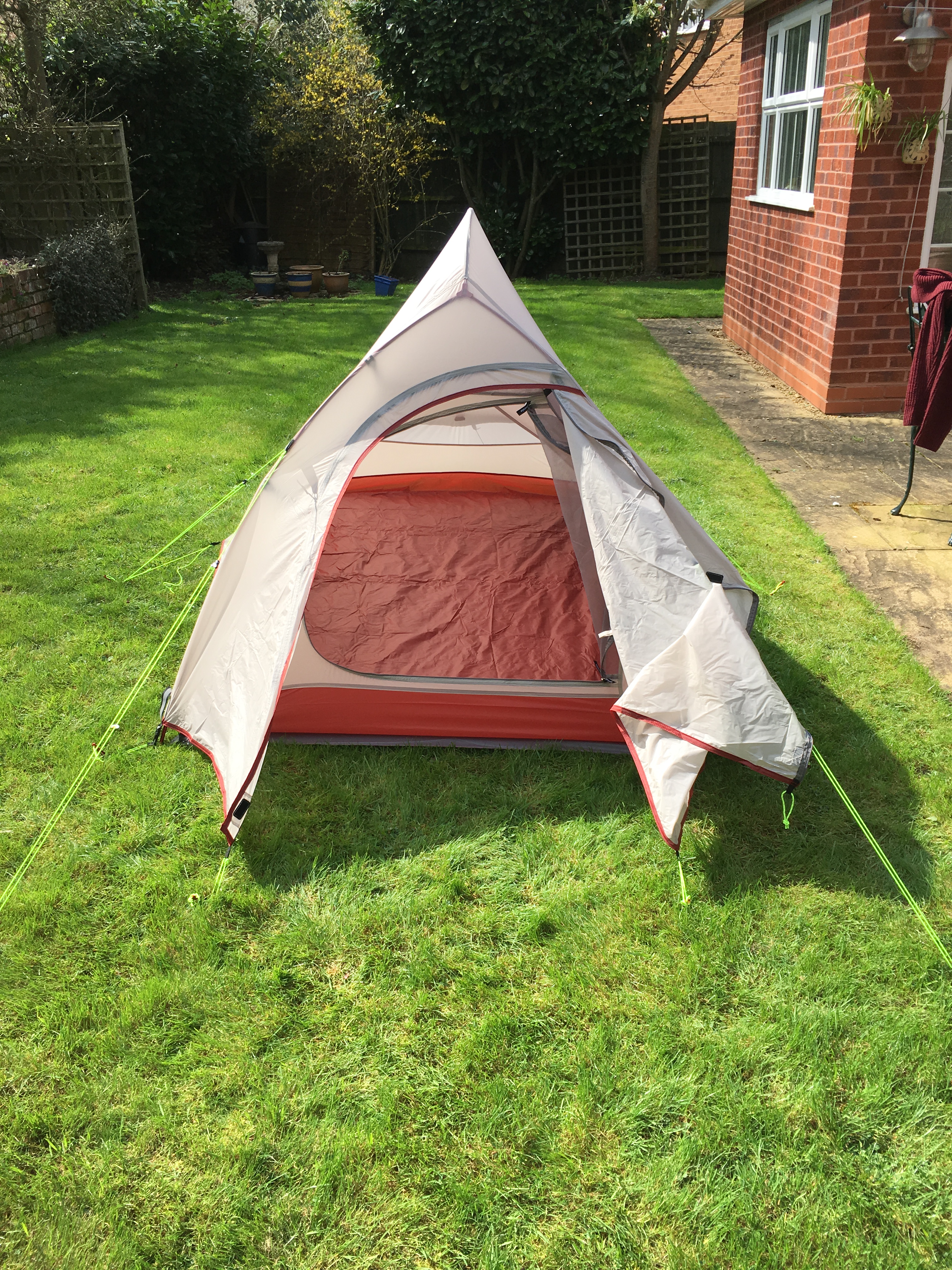
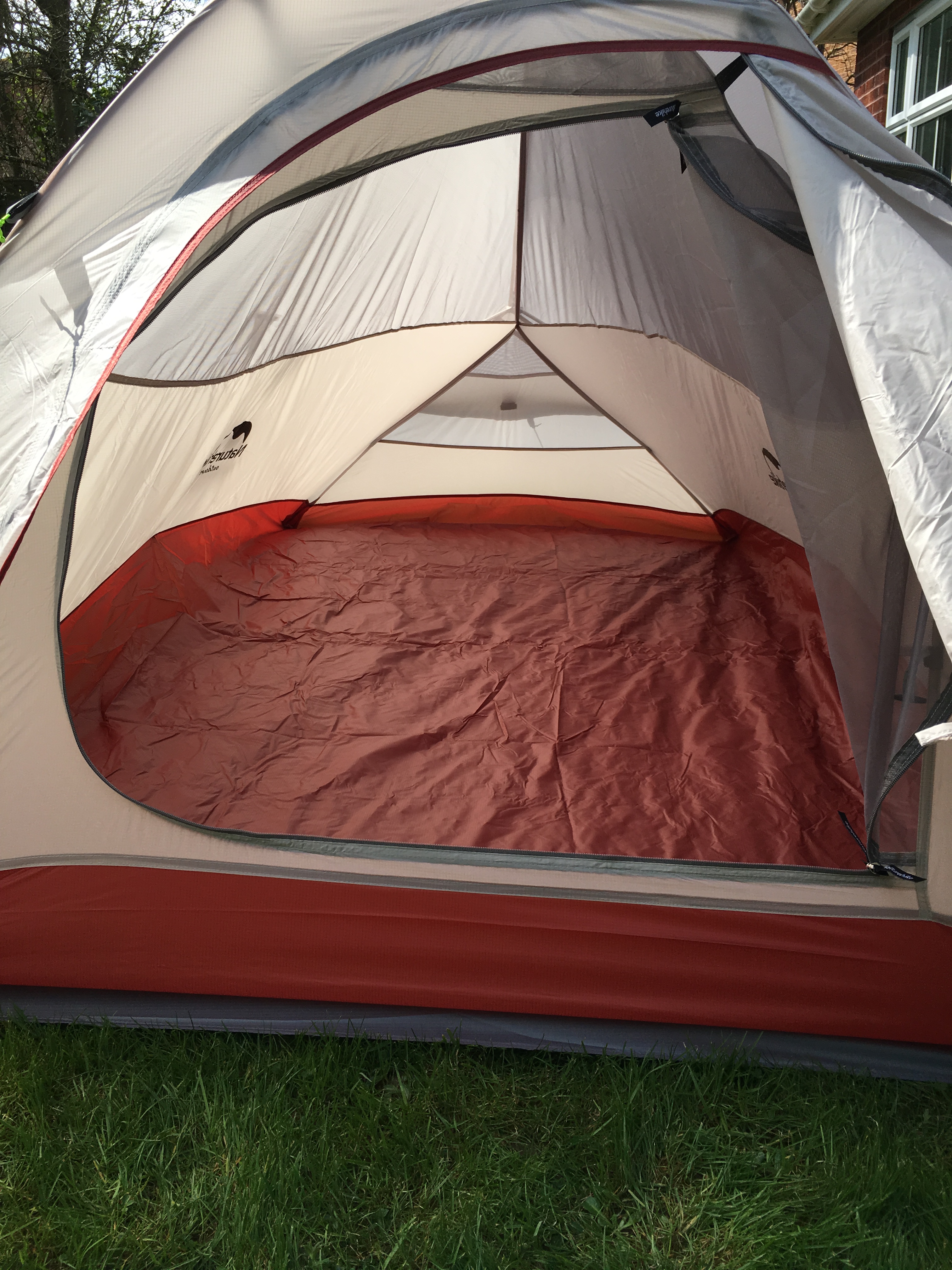


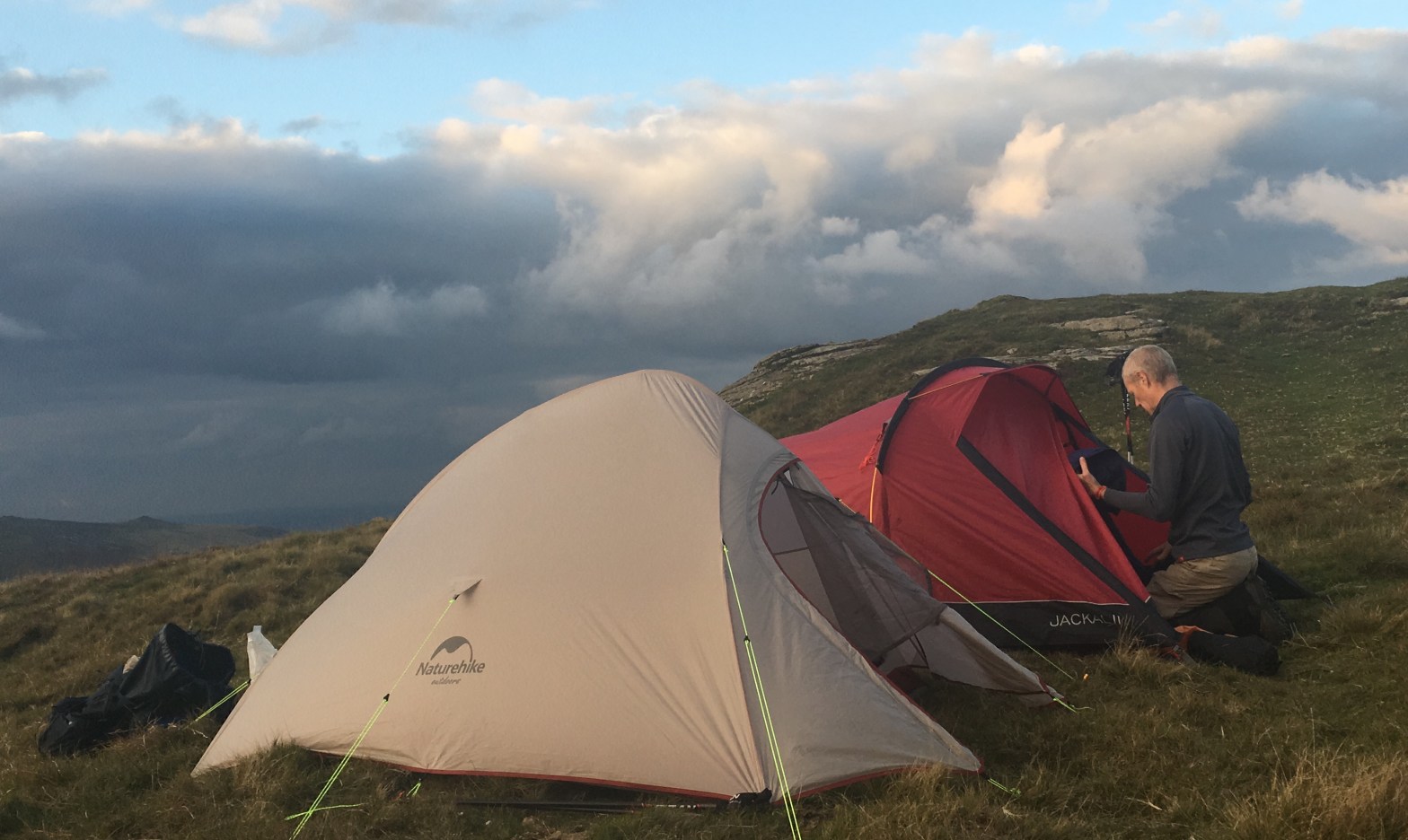
My tent is a 2-man nature hike (read large one man) bought on AliExpress for £85; with the groundsheet it weighs about 1.6kg which is probably at the top end as far as weight is concerned but it has room for me and all my kit and I can sit up in it comfortably. It is an inner first, although in a heavy downpour on the side of a windy hill in Yorkshire I did manage to take down the inner first in a bid to keep it as dry as possible! I have now used it for 12 nights wild camping in all sports of weather and some relatively high winds and it has served me well and is still as good as new. The porch is okay for your boots but really tight if trying to brew up in the rain so I am considering getting myself a small lightweight tarp that I can use to extend the front and give me some extra shelter from the rain for cooking. As you can see from the bottom right photo it is becoming quite a popular model!
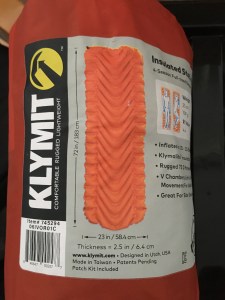
My sleeping mat is a Klymit which has a thermal lining and is very comfortable and I don’t roll off it either, essential to have the lining when you are doing a bit of three or four season camping although you can always supplement this slightly by utilising an aluminium foil blanket, the type you get at the end of a marathon etc and put that on the floor first which really does work a treat.
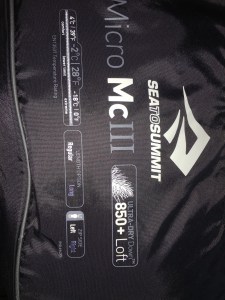
Sleeping bag is a Sea to Summit Micro McIII and is definitely one of my more extravagant purchasers as being warm, but being able to pack it down small and keep weight down is really important, and although it quotes 4 degrees as the comfort level and -2 as lower limit, the addition of a fleece liner will keep you snug as a bug at -5 easily, trust me because I have done this on a couple of occasions! I think I would be okay as low as -10 before I needed to wear some thermals. It also zips open completely and can be used more duvet like on a warmer night.
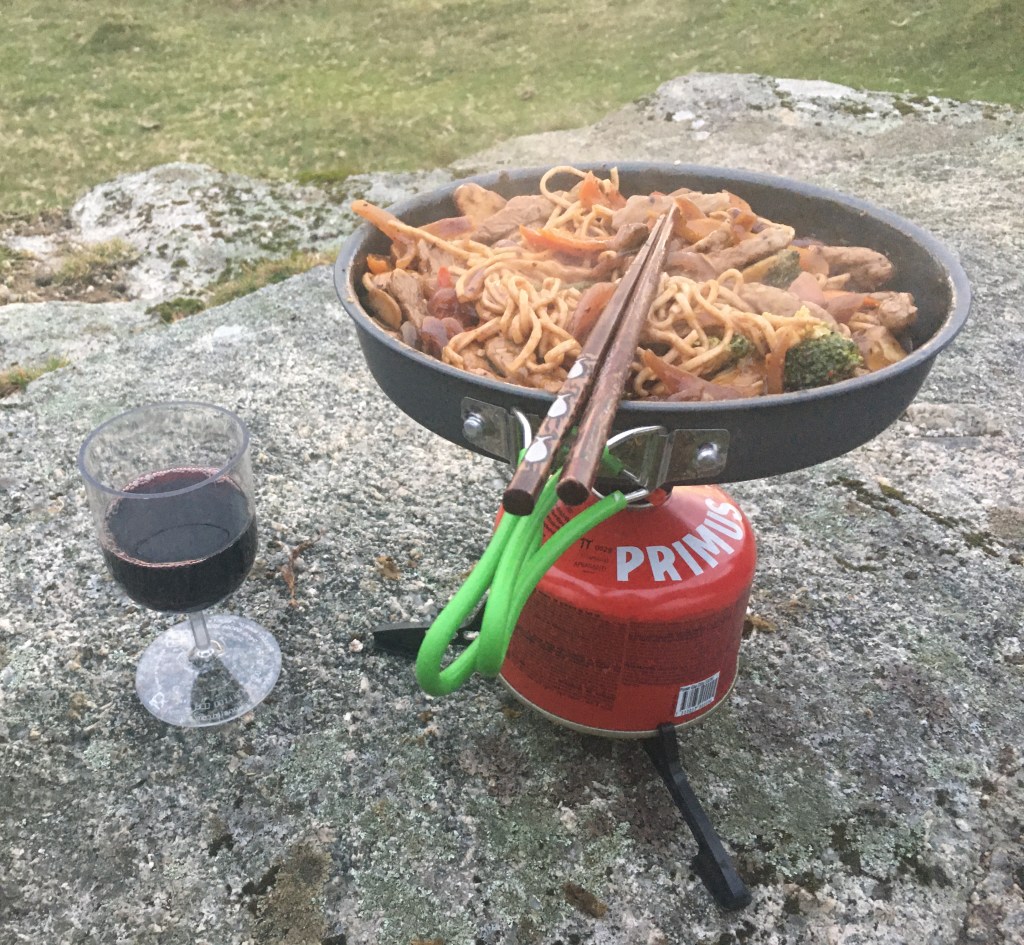
Obviously a gas stove is important and I got my Primus free with a Trail Magazine subscription but it is absolutely brilliant, boiling water really quickly. I only use the pot it came with to boil water and either use a pan for cooking, a bowl for mixing or have freeze dried food in a bag you just put boiling water into. I use a simple stand that fits onto the bottom of the cylinder to keep everything stable. My frying pan works well for stir fry and a cooked breakfast and was a good addition for cooking over my last couple of camps.

I have a Helinox Ground Chair which is probably seen as a bit of a luxury but I wouldn’t be without it as cooking, eating and just being around camp, especially on colder nights with a chair makes such a difference and I would recommend this to anyone. I have a self made sitting mat which I made from some packing material but works really well for a quick sit down but also when the evening turns cold it is nice to have on the chair as well for a bit of extra insulation.
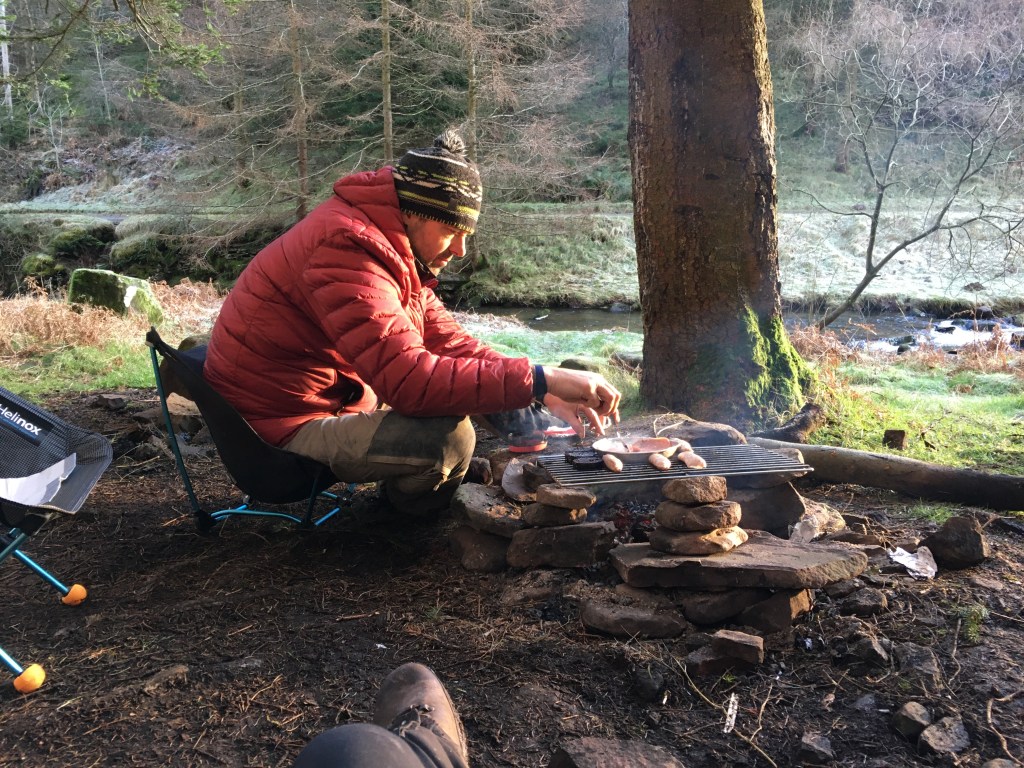
Well modelled by Everest (big John… 6” 8’ ish…) 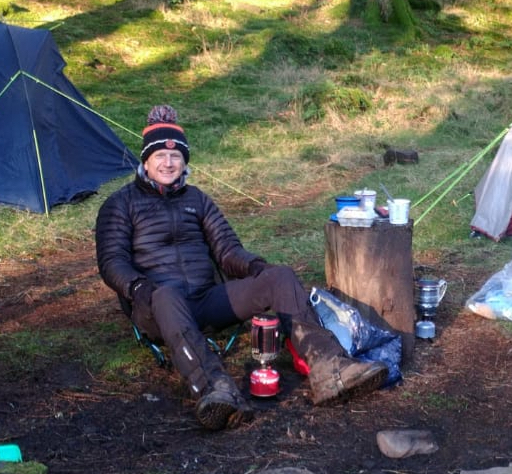
Best luxury item….
I have a mug, bowl, wooden spoon, chop sticks, fork and spoon for cooking and eating plus I always carry a small bit of sponge and some washing up liquid to help clean after eating.
Water filtration comes in two forms, a Water-To-Go Active Bottle with a 3 in 1 filter which eliminates 99.9999% of all microbiological contaminants, the bottle is squeezy so it is easy to fill up and then squirt into a bladder for storing clean water, or a pot ready for cooking or simply left in the bottle ready for drinking. There’s nothing better than getting icy cold water from a stream and drinking straight from the bottle. I also have a sawyer filtration kit as a back up just in case as not having fresh water isn’t an option.
As mentioned above I use a water bladder to store some water but try not to carry too much if I can help it unless water sources are sparse.
A couple of head torches and spare battery’s plus I have a very small tent lamp which can suspend for the tent inner but can also act as lantern outside in the evenings.
Dry bags to put clean clothes in and also a spare which I can put my fly sheet in should it be wet to save getting anything else wet in the rucksack, I will also use the dry bag to make a pillow at night which works really well.
I also have a first aid kit, battery power packs, paper maps, compass and a map holder as although we tend to use OS Maps on a mobile phone for a lot of navigation you should always have a back up and know how to use them in the case of an emergency.
Plus a micro towel, trowel, toilet paper, wipes, anti-bacterial gel and plasters!
Clothes wise it is a balance again of weight over making sure you can stay warm and dry; I have a Goretex Lhotse pro jacket by Mountain Equipment for wet or winter days which is the best waterproof jacket I have ever owned which keeps me warm and dry no matter what the weather throws at me.
Good Berghouse waterproof trousers, in fact I have two pairs, one lightweight and one heavier for the autumn / winter walks and sitting in the cooler evenings.
Meindl Bhutan Leather boots for 3 / 4 season walking and then lightweight Salomon OUTline Mid GTX for warmer months and hill walking; these are especially useful when doing something like the Long Mynd Hike which is 50 miles over relatively easy ground.
A Rab down jacket keeps me nice and warm and packs down to a small size, base layers, Montane super terra walking trousers, which are easily the best I have owned, although on a warmer walk I will have shorts as well. A good sweatshirt, technical T shirts (I have loads from running which are perfect) always have at least three pairs of socks, bobble hat for the colder days, gloves, inner gloves and really thick winter gloves as my hands get cold very easily and it isn’t any fun with cold hands, of cold anything really!
And last but definitely not least a 65l Osprey Atmos AG rucksack, really comfortable and spacious for carrying all that kit which typically will come in at about 16kg once you have added food and some water.
Full kit list below:
- Rucksack
- Tent
- Sleeping Mat
- Sleeping Bag
- Inner bag (on colder camps)
- Primus Stove and Gas
- Frying pan
- Head torch and spare batteries
- Chair
- Sit Mat
- Mug, Bowl, chop sticks, wooden spoon
- Trowel, paper and wipes
- Anti-bacterial gel
- Water filter bottle
- Sawyer back up water filter
- Tent lamp
- Water bladder
- Extra dry bag
- Plasters, glide stick and forest aid kit
- Power packs for recharging phone and watch
- Power charging leads
- Map
- Compass.
 Hiking & Wild Camping